Access Heart Foundation Training Programs
Practical Cardiovascular Physiology Training Programme, 6 Months
Our comprehensive cardiovascular physiology program combines theoretical foundations with hands-on clinical applications, giving healthcare professionals a deeper understanding of cardiac function and pathophysiology. Participants develop advanced skills in interpreting cardiovascular diagnostics, recognizing complex cardiac conditions, and implementing evidence-based treatment protocols that significantly improve patient outcomes.
Empowering Frontline Healthcare Professionals
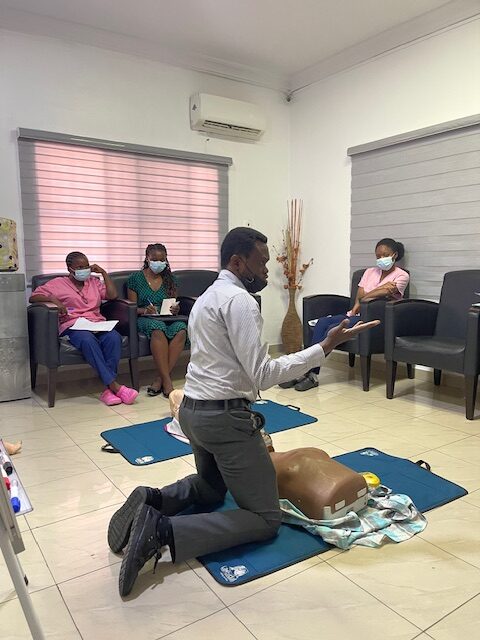
We recognise that transforming cardiac care requires building capacity at every level of the healthcare system. Our comprehensive training programs equip Community Health Extension Workers (CHEWs), nurses, and other frontline healthcare professionals with the knowledge and skills to recognize cardiac emergencies, provide critical interventions, and save lives in their communities.
“Training nurses and support staff in cardiac care isn’t just about transferring knowledge—it’s about building a lifeline of skilled professionals who can make the critical difference between life and death. At Access Heart Foundation, we’re committed to empowering healthcare teams with the specialized skills needed to provide exceptional cardiac care, particularly in communities where these resources are most scarce.”
Why Train CHEWs?
Community Health Extension Workers are often the first point of contact for healthcare in underserved communities. By equipping CHEWs with cardiac care knowledge, we extend our reach far beyond our facility walls, creating a network of trained professionals who can:
Recognize early warning signs of cardiovascular disease
Provide immediate basic interventions that save lives
Make appropriate referrals for specialized cardiac care
Educate communities about heart health and prevention
Monitor patients with known cardiac conditions
Bridging Traditional and Modern Healthcare
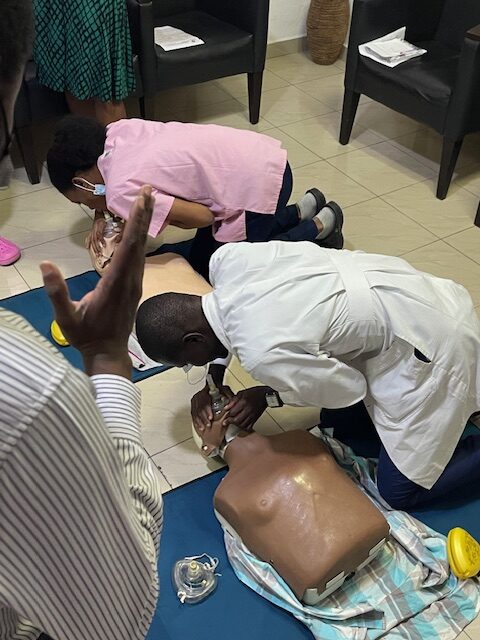
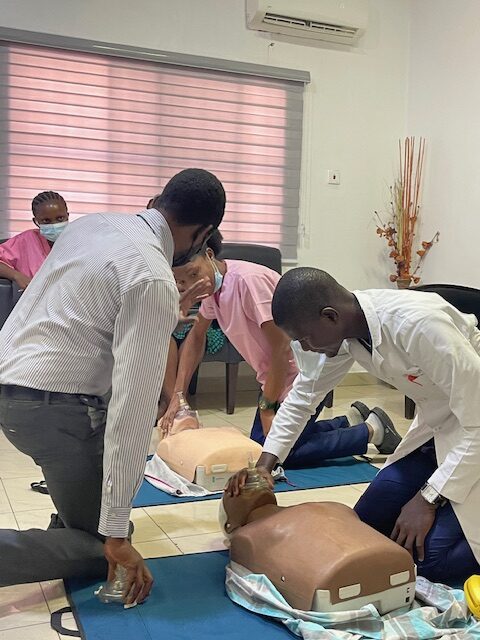
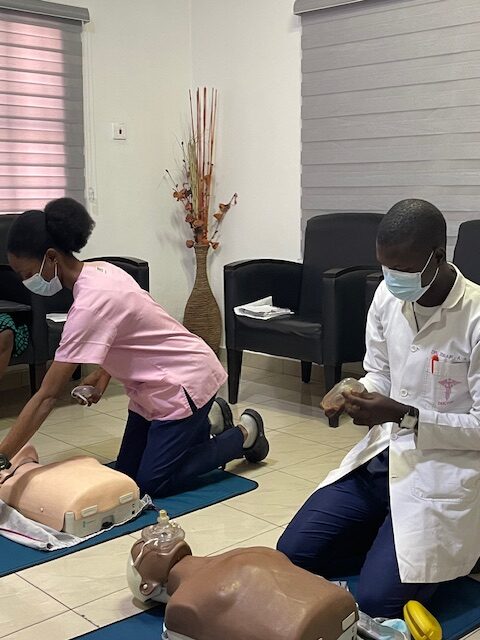
Our groundbreaking program trains Traditional Birth Attendants in Basic Life Support and cardiac emergency recognition, acknowledging their crucial role in maternal and neonatal healthcare.
Program Highlights:
Basic Life Support (BLS)
Recognizing maternal cardiac complications
Emergency response during pregnancy and childbirth
Referral pathways to advanced cardiac care
Impact: Successfully trained the largest TBA community in Lagos (Ikorodu), creating a network of community-based emergency responders
The hands-on approach and depth of knowledge I gained not only strengthened my clinical skills but gave me the confidence to provide truly comprehensive care to patients in my capacity as physiologist.
1
Heart disease remains the leading cause of death worldwide, claiming nearly 18 million lives annually
With cardiovascular diseases affecting almost 1 in 3 adults globally, proper training in recognition and response can dramatically improve survival rates in cardiac emergencies.
2
Access to life-saving cardiac care and knowledge varies dramatically across communities
Socioeconomic factors and geographic location significantly impact both the quality of cardiac care and outcomes during emergencies, creating a critical need for widespread training.
3
Only about 36% of cardiac arrest victims receive bystander CPR before professional help arrives
Every minute without CPR decreases survival chances by 7-10%, making community-wide training in basic life support skills an urgent public health priority.